If you are packing for your first Kenya safari, you may have read that plastic bags are restricted at camps and wondered why safari camps restrict plastic bags in the first place. The rule is real, but it is easier to manage than it sounds. This guide explains what the law covers, what camp staff actually check, and what to pack instead.
Kenya’s plastic-bag law and why safari camps restrict plastic bags
Safari camps restrict plastic bags because Kenya banned plastic carrier bags nationwide in 2017, and protected areas later restricted a wider range of single-use plastics. Camps enforce the rule to comply with national requirements, avoid waste entering fragile habitats, and prevent plastic from being mistaken for food or carried into the bush by wind.
Kenya’s 2017 plastic carrier bag ban was one of the strictest in the world. It applied to the manufacture, import, sale, and use of thin shopping bags with handles. In 2020, Kenya Wildlife Service and other authorities extended restrictions into national parks, reserves, forests, and beaches. Safari camps in the Masai Mara, Amboseli, Tsavo, and private conservancies now follow those rules at their gates, kitchens, and guest rooms.
The reason is practical. A single discarded bag can blow across the plains and end up in a drainage line. Camp teams may not find it until an animal already has. That is why camps prefer to stop plastic at the door instead of trying to collect it later. A camp inside Mara North Conservancy often has stricter checks than a public park gate because the camp manages a small, wild area every day.
The difference between banned carrier bags and permitted packing bags
The clearest distinction is between single-use carrier bags and purpose-built reusable or specialist packaging. Kenya’s rules target carrier bags, but published travel guidance conflicts on whether zip-lock bags are acceptable. Travelers should confirm with their operator and use fabric pouches, packing cubes, or reusable dry bags whenever possible.
A banned carrier bag is the thin plastic shopping bag with handles that you get at a supermarket or market. That is what customs and gate staff focus on. A zip-lock bag without handles sits in a gray area. Some current travel pages say small zip-lock bags for toiletries are generally tolerated. Other guidance says all plastic bags may be confiscated.
The safest approach is simple. Treat anything that looks like a disposable shopping bag as banned. Use a fabric pouch for your phone charger, a cotton bag for laundry, and a reusable dry bag for wet gear. If a zip-lock bag is essential for a medical item or passport document, keep it inside a fabric pouch and mention it only if asked. Medical packaging is usually treated separately, but keeping medicines in their original pharmacy packaging helps staff understand what it is.
Why plastic is dangerous for safari wildlife and habitats
Plastic threatens safari areas because animals can ingest or become entangled in it, while wind and rain move litter into waterways and grazing areas. Plastic also fragments into smaller particles and damages the scenery that supports tourism. Restricting bags reduces the chance that lightweight waste escapes vehicles, kitchens, guest rooms, or camp bins.
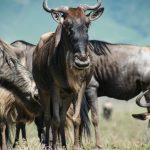
Elephants, giraffes, zebras, and ostriches all live in the same landscapes as safari camps. They can mistake plastic for food. Ingested plastic can block an animal’s digestive tract and cause a slow death. Thin plastic can also wrap around legs, necks, or hooves. Wind carries bags into acacia trees and thorn scrub where staff cannot easily reach them.
Plastic breaks into smaller pieces over time. Those pieces enter the soil and seasonal waterholes. A Kenyan safari sells a sense of wild openness. Litter breaks that feeling quickly. Camps understand this better than most businesses because their product is the health of the landscape. Prevention at the gate is far cheaper than a cleanup on foot.
What single-use plastics are restricted inside parks and conservancies
Inside Kenya’s protected areas, restrictions extend beyond carrier bags to items such as plastic bottles, disposable cutlery, straws, beverage containers, wrappers, and some single-use toiletries. The exact application can vary by authority and site, so guests should follow the camp’s pre-arrival instructions rather than assume that every plastic item is prohibited.
Common items you should not bring into a park or camp include PET water bottles, plastic straws, disposable cups, plates, cutlery, juice boxes, candy wrappers, and small hotel shampoo bottles. The rule targets items designed to be used once and thrown away. It does not target durable gear like a camera housing, a phone case, or a kitchen container that is reused for years.
Enforcement is not identical everywhere. Kenya Wildlife Service manages Amboseli, Tsavo, Lake Nakuru, and many other parks. The Masai Mara National Reserve is run by Narok County Government, not KWS. Private conservancies set their own guest rules. That is why one camp may strictly inspect every bag while another only asks you to refill your water bottle.
What happens when you arrive at a camp with prohibited plastic
A camp may ask you to leave prohibited bags or bottles at an airport, park gate, vehicle, or reception rather than take them into the property. Staff commonly replace disposable drinking water with refills and reusable containers. Individual enforcement is not identical everywhere, but the safest approach is to remove carrier bags before departure.
Many camps sit inside conservancies, and understanding how private conservancies operate helps explain why their rules may be stricter than public park gates. A conservancy is a designated wildlife area where the landowner and camp jointly manage guest impact. That often means more careful luggage checks, but also more reliable refill systems.
The table below shows common checkpoints, distances from Nairobi, drive times, and current entry fee notes where relevant. Fees are non-resident adult costs per day unless stated otherwise.
| Checkpoint or route | Distance from Nairobi | Typical drive time | Entry fee note (non-resident adult) | What staff usually check |
|---|---|---|---|---|
| Jomo Kenyatta International Airport | 0 km | Not applicable | No park fee | Customs and airport staff may inspect luggage for plastic carrier bags. Enforcement varies. |
| Nairobi to Masai Mara, Sekenani Gate | 250 km | 5 to 6 hours | USD 100 Jan to Jun, USD 200 Jul to Dec. County-run, not KWS. | Park gate and camp staff may check plastic bags and single-use bottles. |
| Nairobi to Amboseli, Kimana Gate | 240 km | 4 to 5 hours | USD 90. KWS park. | Gate staff may inspect bags and bottles before entry. |
| Nairobi to Lake Nakuru, Main Gate | 160 km | 2.5 to 3 hours | USD 90. KWS park. | Gate staff may check plastic carrier bags and disposable items. |
| Nairobi to Tsavo West, Mtito Andei Gate | 240 km | 4 hours | USD 80. KWS park. | Park staff may inspect vehicles for single-use plastics. |
| Mara North or Naboisho Conservancy | About 260 km | 6 hours | Roughly USD 80 to 150 per person per night, bundled into lodge rate. | Private conservancy camps often check luggage more carefully than public gates. |
Most travelers who forget a plastic bag are not fined heavily. The bigger issue is inconvenience. You may be asked to empty items into a fabric bag or leave the plastic bag in the vehicle. Some camp managers collect plastic and send it for recycling, but not all do. The most honest advice is to avoid carrying it in the first place.
What to pack instead of plastic bags
Pack a lightweight canvas or nylon tote, fabric laundry bag, mesh organizer, reusable dry bag, and refillable bottle instead of disposable carrier bags and PET bottles. Reusable packing cubes keep clothing organized, while a washable toiletry pouch replaces loose plastic bags. Ask the camp whether it supplies filtered-water refills before choosing bottle capacity.
Start with a simple canvas tote. It costs roughly USD 5 to 15 and folds flat in your daypack. Use it for dust jackets, binoculars, or snacks. A stainless steel 750 ml bottle costs roughly USD 15 to 30. Buy one with a wide mouth so you can clean it easily. Packing cubes cost roughly USD 15 to 40 for a set and keep your clothes from turning into a loose pile.
Pack light because every gram counts with the 15 kg safari-flight luggage limit on small bush planes. One canvas tote replaces several plastic bags and weighs almost nothing. A reusable dry bag can also protect your camera. Our guide to protecting camera gear from dust without disposable plastic explains how to avoid plastic wrap and zip-lock bags around your lenses.
For toiletry items, use a washable pouch with separate compartments. Solid shampoo bars and small aluminum tins remove the need for hotel-size plastic bottles. For wet swimwear or muddy boots, pack a five to ten liter dry bag. If the camp supplies filtered water, bring a bottle that fits in your vehicle cup holder. If not, bring a two liter bottle and refill it at mealtimes.

How safari camps reduce plastic waste in daily operations
Camps reduce plastic waste by offering filtered-water refill points, washing and reusing guest bottles, replacing disposable dining items, separating waste, and limiting plastic packaging brought into camp. These systems shift responsibility from a single-use item to a reusable one, although guests may need to carry, clean, and refill their own containers during long drives.
Camps in the Masai Mara and private conservancies such as Mara North and Naboisho often use glass water carafes, stainless steel bottles, and refill stations in the mess tent. Cooks buy fresh vegetables in reusable crates instead of plastic sacks. Housekeeping uses cotton or mesh laundry bags. Guides carry a shared metal water jerry can in the vehicle so guests can refill during game drives.
This requires a small trade-off. You may carry a wet bottle after a full day in the bush. You need to remember to refill it before sunrise and after dinner. The camp staff may also ask you to wash your bottle before leaving. That small effort replaces a mountain of discarded PET bottles. SafariPure builds this into every itinerary so you are not caught without water.
The SafariPure Difference
SafariPure prepares first-time safari travelers for this moment before they pack. We send a plastic-smart packing list with your itinerary. We tell you which checkpoints on your route are likely to inspect bags. We also choose camps with reliable filtered-water systems and honest staff training.
Our guides know the difference between a banned carrier bag and permitted packing. They will not let a small plastic wrapper create an awkward stop at a gate. They carry spare fabric bags, a water jerry can, and a simple plan for your first camp arrival. That plan includes where to refill, what to leave in the vehicle, and what to keep in your daypack.
Frequently Asked Questions
Why are plastic bags banned in Kenya?
Kenya banned plastic carrier bags in 2017 to reduce litter, drainage problems, wildlife harm, and pollution. The rules are especially relevant on safari because protected areas introduced additional restrictions on many single-use plastic items in 2020.
Can I bring ziplock bags on safari in Kenya?
Guidance is inconsistent. Some current travel pages say zip-lock bags without handles are generally allowed, while older or stricter guidance says all plastic bags may be confiscated. Check with your safari operator and use a fabric pouch or reusable dry bag when the item is not essential.
Are plastic bottles allowed in Kenya safari camps?
Single-use plastic bottles are restricted in Kenya’s protected areas, so camps commonly provide filtered-water refills instead. Bring a durable reusable bottle and confirm whether the camp supplies refills, bottle washing, or larger reusable containers for game drives.
What happens if I bring a plastic bag to Kenya?
A carrier bag may be removed or confiscated at an entry point, park gate, or camp. The safest practice is not to pack one. The severe statutory penalties cited in travel guidance primarily target manufacture, importation, sale, or distribution rather than a visitor carrying one accidentally.
What can I use instead of plastic bags on safari?
Use a reusable canvas or nylon tote for general items, packing cubes for clothing, a mesh or cotton bag for laundry, and a reusable dry bag for electronics or wet gear. A refillable steel or hard-plastic bottle replaces disposable water bottles, while a washable toiletry pouch avoids loose single-use bags.
Plan Your Plastic-Smart Safari with SafariPure
SafariPure plans trips that respect both your comfort and the places you visit. Tell us where you want to go, and we will prepare a packing list, route, and camp selection that takes Kenya’s plastic rules into account. Start with Kenya safaris or contact SafariPure.